Open today
Language
Cancellation Policy
Google Map
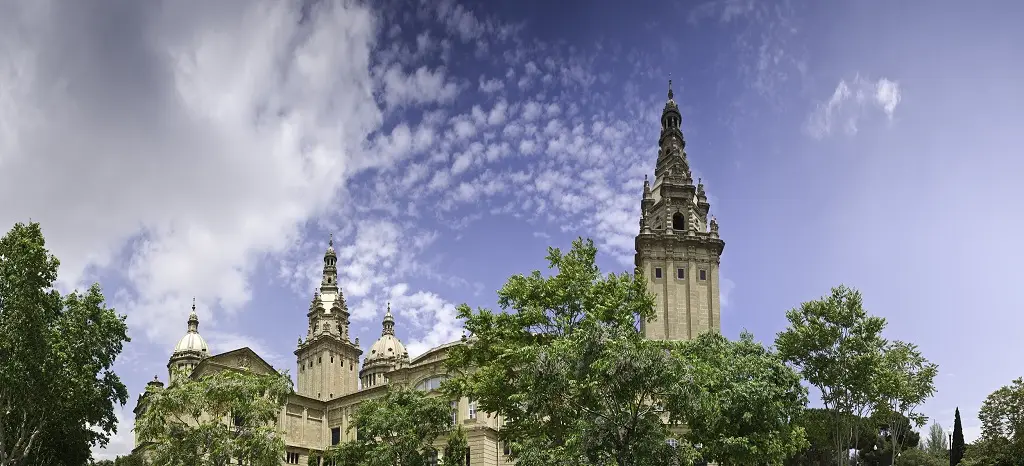
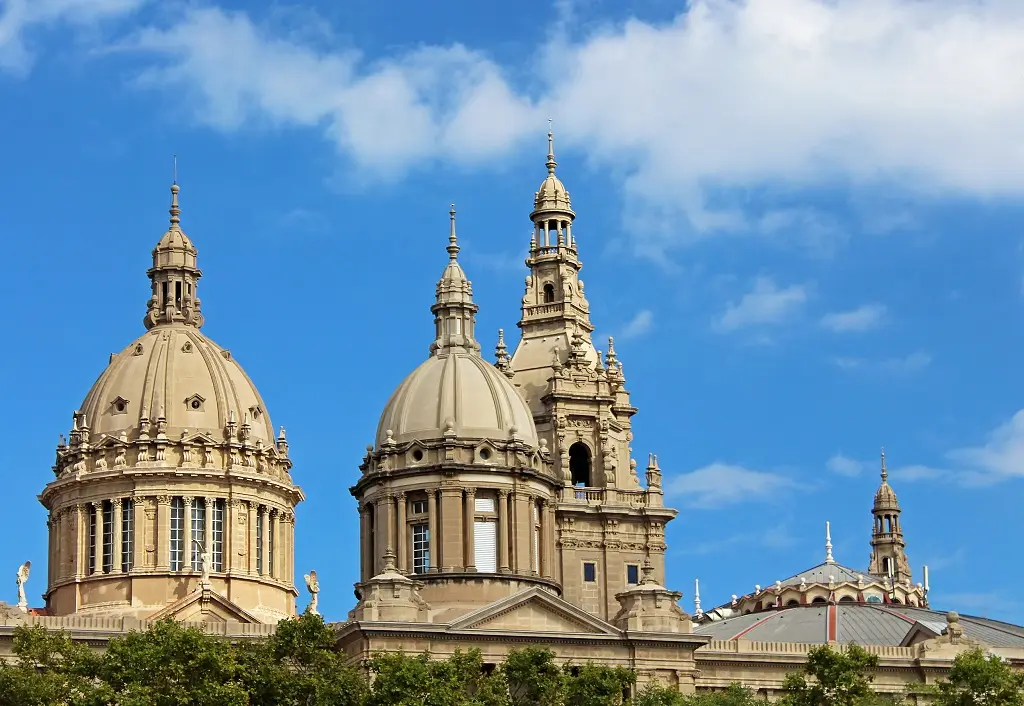
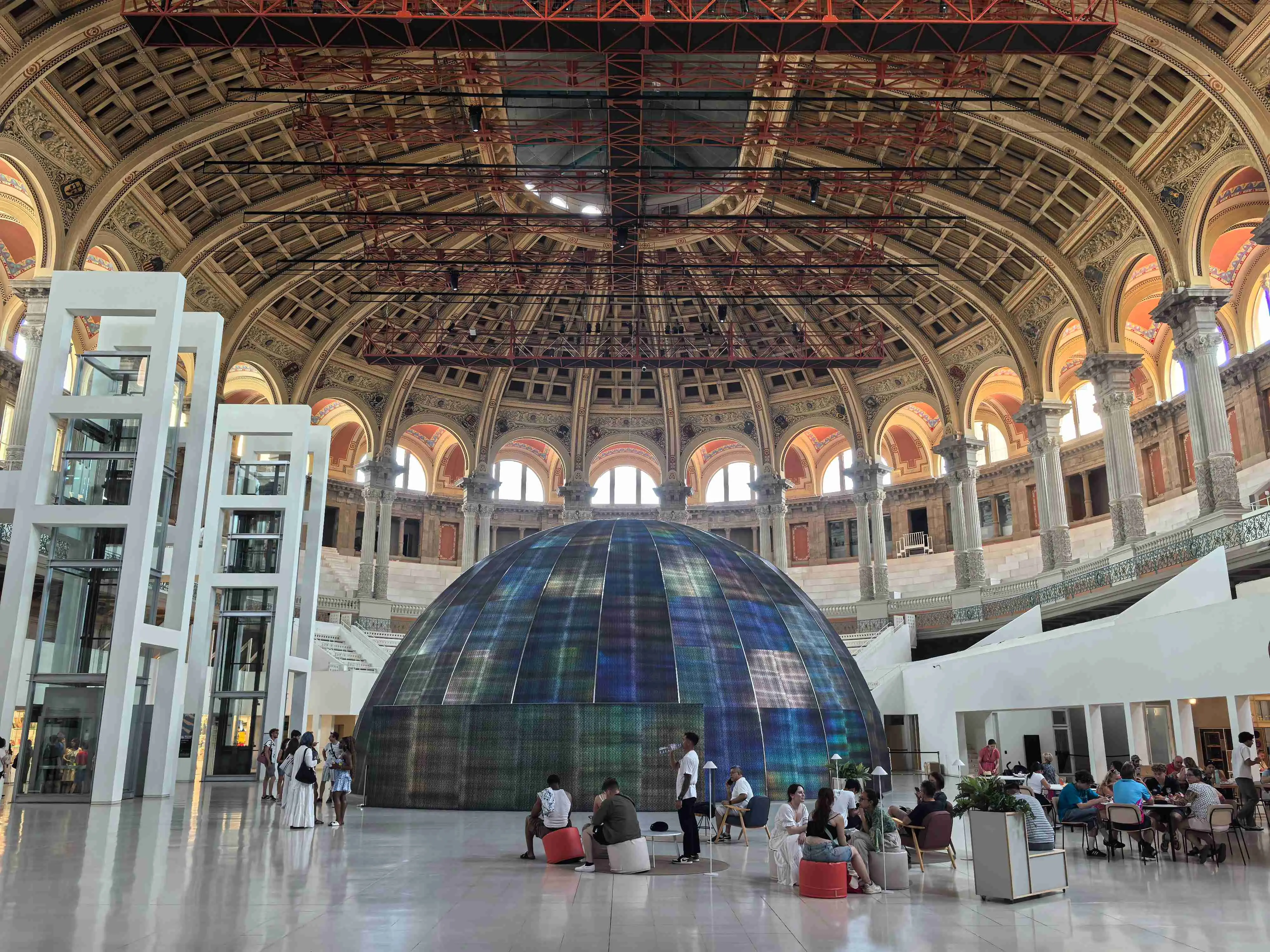
The National Art Museum of Catalonia, known locally as the Museu Nacional d'Art de Catalunya or simply MNAC, is one of the most important art museums in Europe and the foremost cultural institution in Barcelona, Spain. Housed in the magnificent Palau Nacional — a grand neoclassical palace built for the 1929 International Exposition — the museum commands a spectacular position atop Montjuïc hill, with sweeping views over the city and the iconic cascading fountains of Avinguda de la Reina Maria Cristina below. The building itself is as much a part of the experience as the extraordinary collections within, its vast domed central hall and ornate interior architecture immediately signalling the grandeur of what awaits inside.
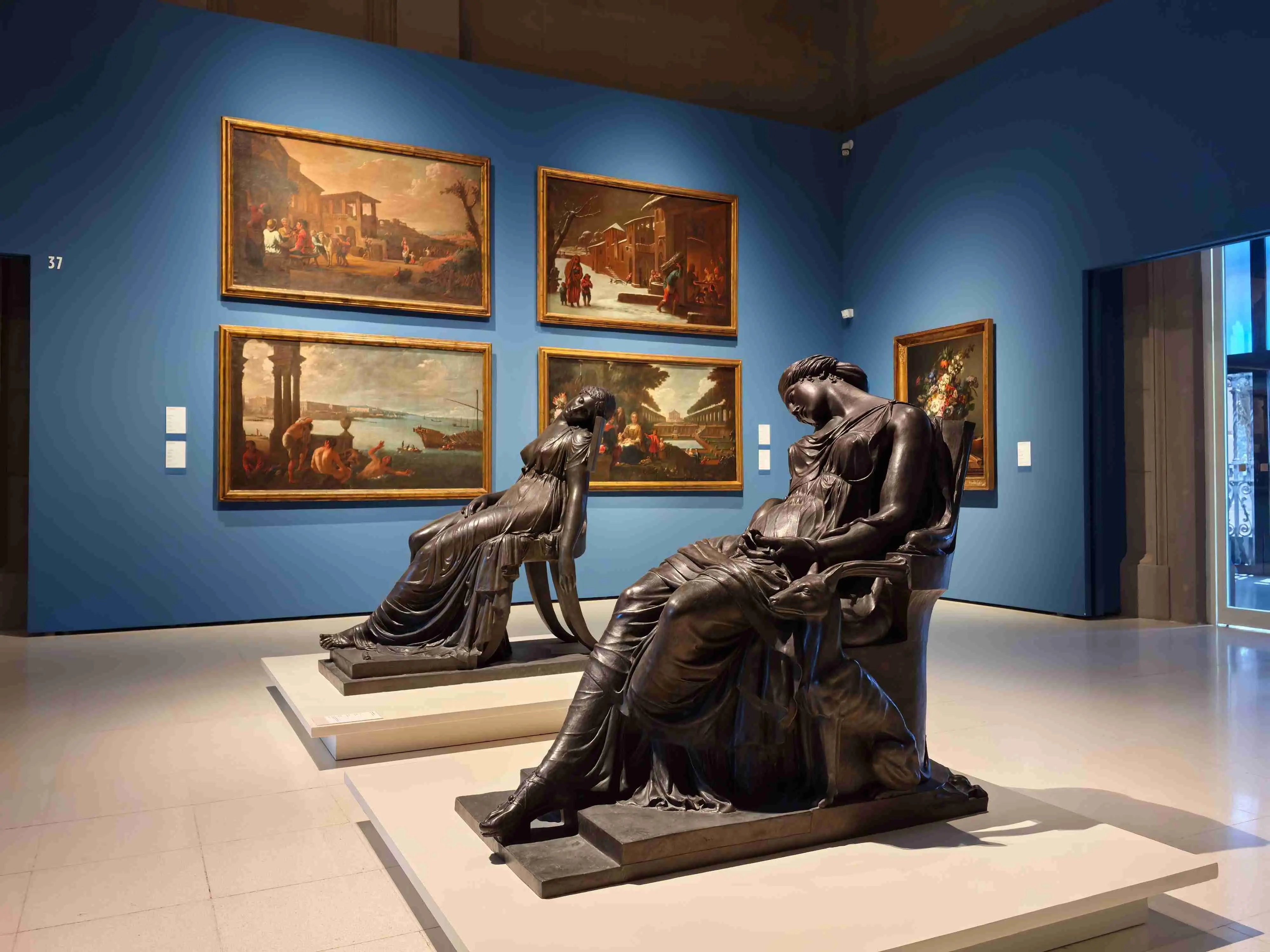
MNAC is home to one of the world's finest collections of Romanesque art, widely regarded as the museum's crown jewel and an unparalleled treasure of medieval European heritage. The Romanesque collection comprises over 100 pieces of religious art — including frescoes, altar frontals, sculptures, and devotional objects — salvaged from remote Pyrenean churches and meticulously reassembled within the museum to recreate their original sacred settings. Beyond the Romanesque galleries, the museum's permanent collection spans Gothic art, Renaissance and Baroque works, an exceptional collection of 19th and early 20th century Catalan art, modernisme decorative arts featuring pieces by leading Catalan designers of the era, and a dedicated numismatic collection. Rotating temporary exhibitions complement the permanent collection with internationally curated shows that regularly draw art lovers from across the globe.
A thorough visit to MNAC typically requires between 2 and 4 hours, depending on the areas explored and the depth of engagement with each collection. Tickets are available online in advance or at the museum's ticket desk on arrival, with combination tickets often available that include access to temporary exhibitions alongside the permanent collection. The museum offers free entry on Saturday afternoons and the first Sunday of each month, which draws significantly larger crowds. Audio guides and multilingual guided tours are available to enrich the visit, and the museum's rooftop terrace — accessible for a small additional fee — delivers one of the finest panoramic views across Barcelona available from any public attraction.
Ticket Eligibility
Attraction Access
Additional Information
Important Notes
Guests typically approach MNAC via the sweeping Montjuïc stairways and escalators from Plaça d'Espanya, or by bus and cable car from elsewhere in the city. The approach along the central axis — framed by the Magic Fountain, the Venetian Towers, and the grand ceremonial avenue — is itself a memorable visual experience that builds anticipation before reaching the museum's imposing main entrance. Tickets are purchased or validated at the ground floor reception, where audio guides, cloakroom facilities, and multilingual floor maps are available. The main oval hall inside the Palau Nacional, with its vast painted dome and richly decorated ceiling, provides an immediately awe-inspiring introduction to the building's architectural splendour.
The self-guided visitor journey through the permanent collection begins with the celebrated Romanesque galleries on the ground floor — a series of interconnected rooms where salvaged church apses, frescoes, and altar pieces have been meticulously reinstalled to evoke their original architectural contexts. The experience of standing inside a reconstructed Romanesque apse surrounded by towering medieval frescoes is quietly profound and unlike anything found in most conventional museum settings. From the Romanesque collection, visitors progress naturally through the Gothic and Renaissance galleries, then into the rich world of 19th century Catalan painting and sculpture, and finally through the modernisme decorative arts rooms — which include furniture, glasswork, ceramics, and posters by leading figures of the Catalan cultural renaissance.
After exploring the permanent collection, guests can visit the current temporary exhibition space, enjoy a break at the on-site café, or make their way to the rooftop terrace for panoramic views across the city before descending. The museum's gift shop near the exit offers a well-curated selection of art books, catalogues, prints, and design objects. Most visitors find that pairing MNAC with a broader Montjuïc itinerary — combining the Fundació Joan Miró, the Poble Sec neighbourhood, or the Montjuïc Castle — makes for an exceptionally rich and varied full day in one of Barcelona's most rewarding cultural districts.
Children under 2 years will be considered as infant and entry will be free of cost.
Children between age 3 to 12 will be considered as child and charged child rate.
Children above age 12 will be considered as an adult and charged adult rate.
The National Art Museum of Catalonia, known locally as the Museu Nacional d'Art de Catalunya or simply MNAC, is one of the most important art museums in Europe and the foremost cultural institution in Barcelona, Spain. Housed in the magnificent Palau Nacional — a grand neoclassical palace built for the 1929 International Exposition — the museum commands a spectacular position atop Montjuïc hill, with sweeping views over the city and the iconic cascading fountains of Avinguda de la Reina Maria Cristina below. The building itself is as much a part of the experience as the extraordinary collections within, its vast domed central hall and ornate interior architecture immediately signalling the grandeur of what awaits inside.
MNAC is home to one of the world's finest collections of Romanesque art, widely regarded as the museum's crown jewel and an unparalleled treasure of medieval European heritage. The Romanesque collection comprises over 100 pieces of religious art — including frescoes, altar frontals, sculptures, and devotional objects — salvaged from remote Pyrenean churches and meticulously reassembled within the museum to recreate their original sacred settings. Beyond the Romanesque galleries, the museum's permanent collection spans Gothic art, Renaissance and Baroque works, an exceptional collection of 19th and early 20th century Catalan art, modernisme decorative arts featuring pieces by leading Catalan designers of the era, and a dedicated numismatic collection. Rotating temporary exhibitions complement the permanent collection with internationally curated shows that regularly draw art lovers from across the globe.
A thorough visit to MNAC typically requires between 2 and 4 hours, depending on the areas explored and the depth of engagement with each collection. Tickets are available online in advance or at the museum's ticket desk on arrival, with combination tickets often available that include access to temporary exhibitions alongside the permanent collection. The museum offers free entry on Saturday afternoons and the first Sunday of each month, which draws significantly larger crowds. Audio guides and multilingual guided tours are available to enrich the visit, and the museum's rooftop terrace — accessible for a small additional fee — delivers one of the finest panoramic views across Barcelona available from any public attraction.
National Art Museum of Catalonia - Barcelona, Spain.
Palau Nacional, Parc de Montjuïc, s/n, Sants-Montjuïc, Barcelona, Spain

Always the best deal-book with total confidence.

Your transactions are protected with advanced encryption.

Real humans, ready to help anytime.

Trusted by millions of happy travelers.